

Why Fiber Optic Drone Cables Snag on Trees

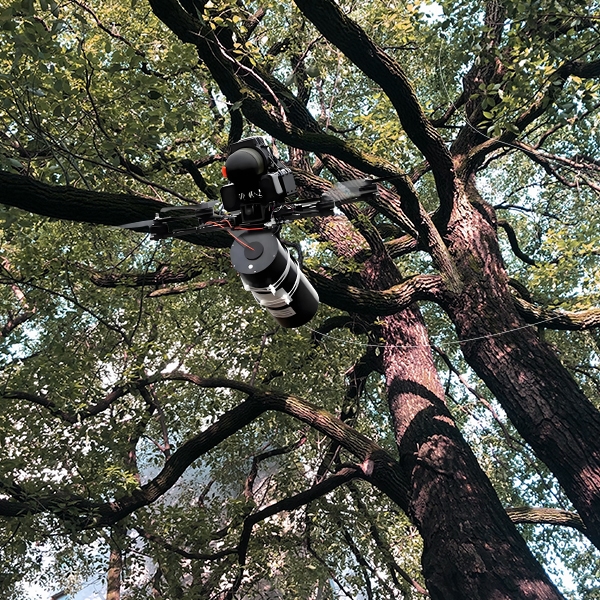
The woods sat silent for barely a whisper until a drone snuck up, veiled by the canopy, racing its thin silvery tail of fiber optic cable. Here and there, a note of tension would escape, as a limb would reach out, hook upon the line, and pull it; in that instant, the pilot was frozen in that pit of absurd paralysis while the wire struggled furiously to escape the wooden arms. Most beginners let panic take them, digging deeper or jerking the craft upward, somehow; but doing so is like cramming yourself into an overly tight pair of shoes. Once the line is stretched taut against a catch, it is the thought of the pilot, not the sheer strength, which shall place the line to the test. It stands to reason; the more glider experience a pilot gains, the more he learns that his airplane molds memory within materialized sets of choices of sweep, angles, and tension. Pesky little choices, started and decided in a twinkling or two, will definitely raise a smooth retrieval well above the average caption of “oh well, another one down in the trees.”
Why Straight Climbs Trap Your Fiber Optic Drone Cable
Every drone pilot remembers the moment his or her drone lost all line. The falling cable traverses the way upwards while the drone passes it, pressing its way into the closest fork. The sudden tug mid-air makes this a silent fail. Straight climbs almost always are problems, as the fiber optic wires do not hang down smoothly; gravity pulls them straight down into gently formed acute angles caused by alternate branches.
Times and styles changed. Most beginning cable operators deem that raw power pulling will earn them their aforementioned snag-free cable, not least of them merely increasing the hold. The pull of the line downward, along with the upward drag of the propellers, is almost in fact a tug-of-war with the trees winning. A rapid lift increases the friction, bringing the fibers to the limit and breaking them altogether. The right way indeed consists of leveling off, moving your machine forward just a tad, mildly releasing tension, and holding altitude—as such, a shifty solution changes the load, spreading to allow for the cable’s weight to release it all.
The test pilot was telling me how he had lost three sailplanes in a small forest. Every time they climbed about sixty meters to flip about and drop right into a fork. Since he was desperate, he launched another one with a slower forward glide off the slope, and out it sailed perfectly. His misjudgment had been not one of power but of impatience with the cable: A straight-line climb delivers a trap, while a sideways cross drift is a bear amazement upon the harsh curve. A pilot will have barely completed the ascent if he can assimilate this simple concept. Then he stops fighting the forest and lets the forest help him.
 How 45° Glides Free Your Cable from Trees
 How 45° Glides Free Your Cable from Trees
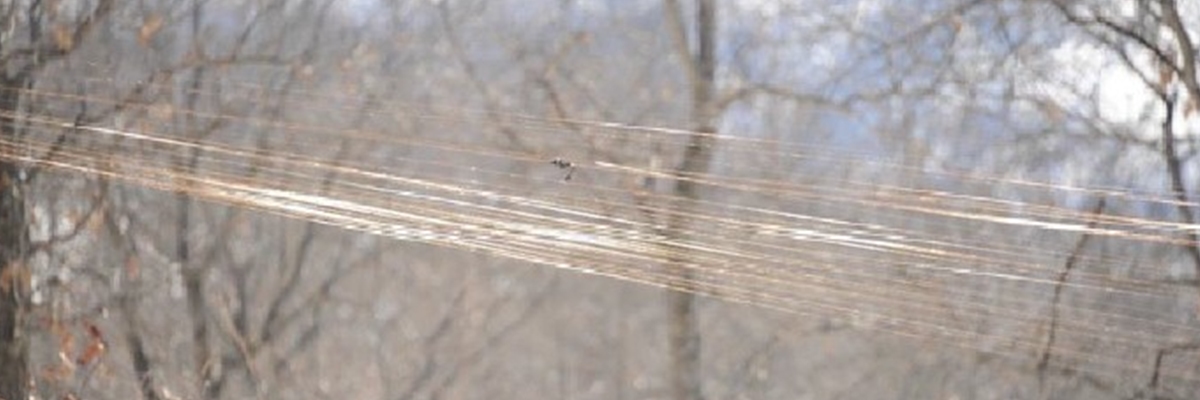
The trouble with cable snags generally originates out of bad geometry and not from bad equipment; optimal performance for a fiber optic lasher requires that the line course through long manicured arcs rather than harsh angles. The ideal angle approximates forty-five degrees, neither too steep nor too shallow, depending on one’s perspective, and is marked by this sweet spot in the geometry. Perhaps, some experienced hands call this angle the “insurance angle.” This projected angle does move the line through long arcs and still provides manageable control for a cable lasher. The cable does not have many cutting points in the canopy along the line of angle that nears perpendicular.
Start your climb well before arriving at the forest edge—about fifty meters of slack in most fibers will allow them to fall naturally. The free length also accounts for different environments. For instance, when working in large, free-thicketed land, you will probably need less slack, while thicker foliage would necessitate sixty meters and even more slack. However, the rationale is always the same: the fiber has to have enough time to locate its path and move along before it flips or folds on itself because of the UAV crossing the row.
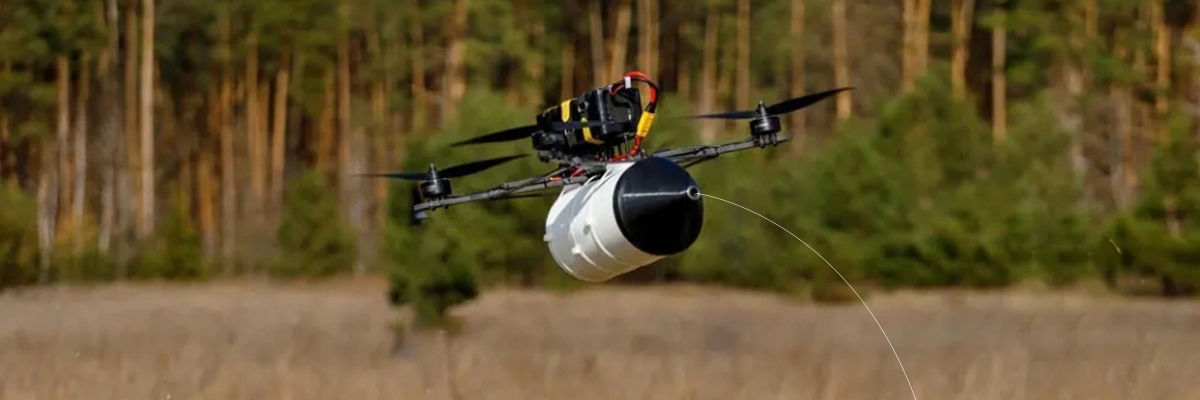 On the other hand, when the drone rises at that angle, air pulls that filament into a wide trailing curve and the trunk passes harmlessly underneath. But sudden bursts or stops of propelling power ruin all of that; they twist loose slack into loops that snag with ease. Instead, throttle the motor in a steady, even pull and let the drone shape up the rhythm with the angle. Think of this glide as a kind of balance between movement and confinement.
Unconsciously laying aside the nose, seasoned airmen learn to contemplate and react to the drone through its trailing tail. The sail trail tells all. If the reflected light reflects evenly along the length, the tension is approximately balanced. If the reflections are dodgy, it indicates turbulence and wobbling. There is no time here to watch the trees change color. A windster called out through the pine boughs of a patch of old growth, shouts from the crosswind ridge, so one must be attending already. The steady progress from rise to slip and back again tends to keep a balanced tension within the tail’s defense, so the rifts of the unquiet sky translate into a gentle yaw within the reel.
Slow tension is just as important as the right distance. Moving too fast scoops the cable downward while too slow lets it sag into tree branches. It has to be a movement that has conviction yet never hurries. Both lines keep pace in tension throughout the spool. Those who master the sport often quip about “butter-sky climbing,” a term that beautifully captures the smoothness with which tension leads the runner. The runner glides on air and not gravity, leaving a beautiful arch in the sky.
Tree density can also modify the formula. Starting early in the woods with a canopy created for further being critical. By allowing the cable to sag under its own inertia, we deterred possibly dangerous jerks that could snag your system coming down. Most crews, while setting routes through dense tropical rainforest, wind up starting back more than sixty meters for the tensions to clear each canopy slowly. An early start on one hydrology team was reported to have abruptly eliminated most incidents during one week’s worth of thirty flights.
Veteran sketches like those repeated will foster a form of instinctive rhythm – hands moving without hesitation—even if throttle and pitch work in silence, parallel. It feels unknowingly plain and fresh, like something in the air that remained invisible, but was known all too well. Plane after plane engrains the point: It is geometry rather than horsepower that keeps the cables free, for an aircraft jumping from the pad in that rhythm doesn’t fight gravity, it surfs it.
What Soda-Can Tension Tells Your Hands
 What Soda-Can Tension Tells Your Hands
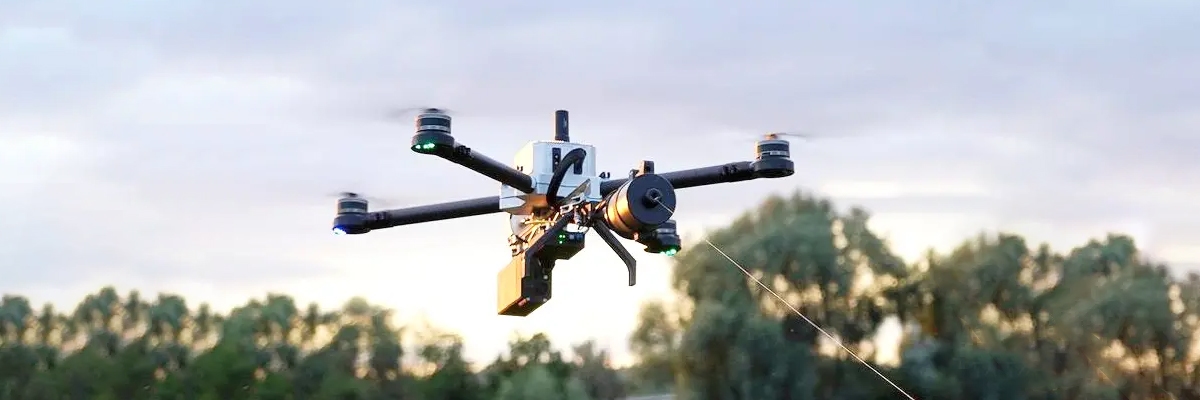
A flight is denoted by the outcome of the first few moments that either wraps up in success or leads to failure—a flight’s successful flight. A molten spool dictates whether a fiber-optic drone can soar smoothly or begin the mission under siege. Tension is a live wire wound and held taut, but not so tight as to put any doubt within, remaining operative while in the mind. The applied tension is for a feel of “soda-can-like,” a simile everyone recognizes.
But too much stress will shorten the life expectancy of the string and stress the bearings of the reel; too little stress will let the line whip about in the air. Both situations lead to some sort of loss. The optimal setup establishes a balance between forward flight of the drone and the pull of the string that simultaneously satisfies the tension output during climbs and turns. It is also common to add rubber bands that are around three millimeters wide onto the core of the spool, looped through twice, and securely tied away from the exit hole. The idea of this seemingly simple contrivance is to absorb all kinds of vibration and prevent sudden jerks to the spool, while also providing a feel of the wind in the fingers. For advanced vibration control in 3D-printed fiber optic holders, check this guide: How to Stabilize Vibration in a 3D Drone-Printed Fiber Optic Holder.
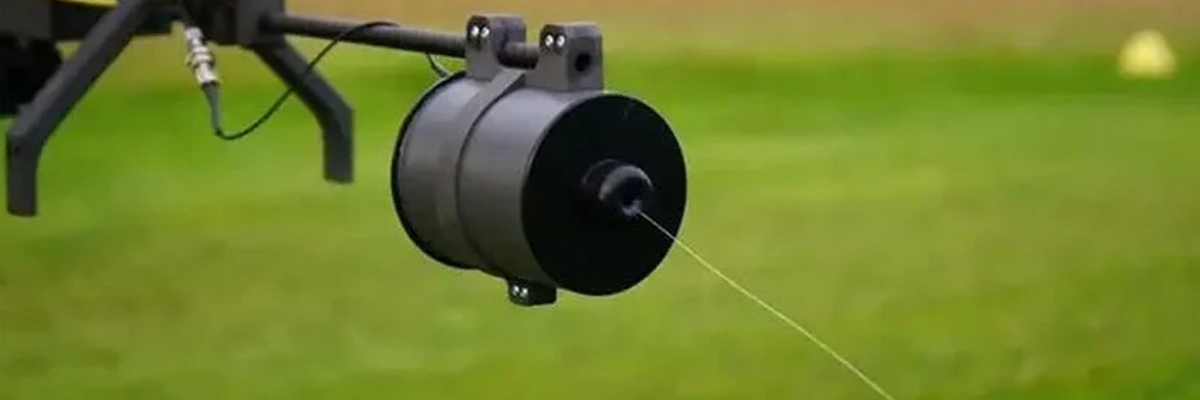 The wind was very strong, but the buffers were still there. The ranger of the forest recorded twenty times that he flew through the wind and did not break his kite after changing to the new arrangement. The ranger’s secret was not tough fiber, but it was the tension that was set up properly. He used the line to the fullest after every trip, then wound it back on the reel making sure it was even, and looked at the sides of the reel to make sure they were still smooth. The same habits do not rely on fortune, and gradually, the case of failure is taken out of the equation.
The true creativity is in the ability to feel the changes during the flight. A very soft buzzing sound suggests that there is friction that needs to be released; that is, the brake should be slightly released. Tiny but quick shakes in the controller suggest that there is a need to tighten—do so until the shaking stops. If the drone goes down or runs away, the spool’s center might be over-tensioned; one partial turn looser brings back the balance. These reactions have to be very quick. After a while, the pilots can tell the difference between noisy friction, slack vibration, and tension hum, and they react even before the dangers come.
Now there are many crews that deliberately train their hands. They pull and push the line over and over again, getting the feel of the correct pulling force. With daily practice lasting for weeks, the response time is almost doubled. The outcome is the intuitive control, a nervous system connecting a pilot to a machine. The fiber-optic drone turns out to be a touch extension rather than a weak link. A lot of operators claim that when they “hear the hum” of the constant tension, their nervousness disappears. The line that is softly humming under the rotors has already reached its equilibrium between pulling and liberating.
Why Reverse Reflex Saves Stuck Cables
 Why Reverse Reflex Saves Stuck Cables
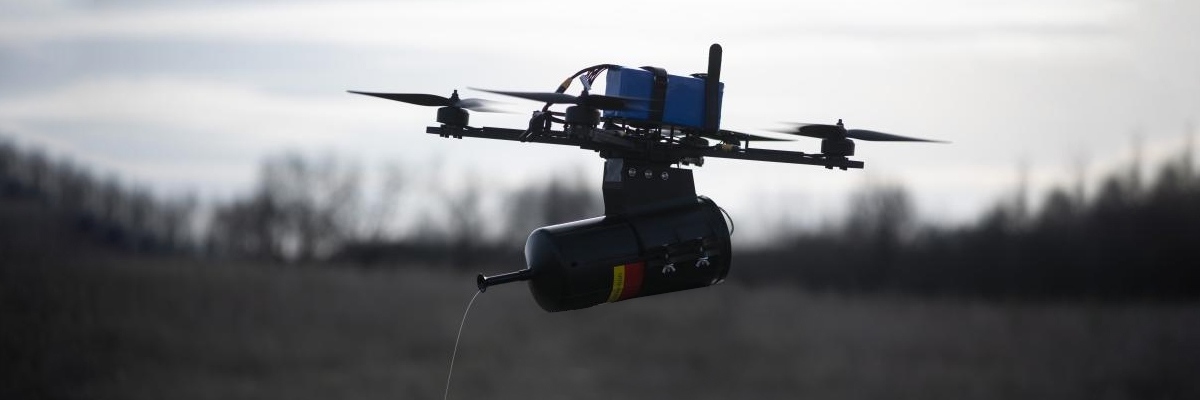
Even a flawless technique can face some surprises—a branch hook, a sudden wind, or a gap incorrectly estimated. When this situation occurs, the pilots’ instincts will urge them to pull the hook off quickly, but the right action will start with giving up, not fighting against it. A fiber-optic drone stuck in a snag needs the combination of patience and fast decision-making.
The pivotal second is when the stress level is at its highest. The throttle has to be pulled down to zero. The descending power allows the first action, which is gravity, to take place, thus loosening the string a little bit as the drone falls. The small droop of the cable shows that the tension which has been stored in the cable’s loop has been released. The fiber acts like a soft coil in that it retains its path memory—it wants to come back to its last movement. If you intervene with brute power, then it only gets stretched and becomes an unmanageable break instead of a snaggable break where it can still recover.
Then, change the flight controller from auto land to manual mode. GPS holds the position very precisely and the drone’s motors keep working against that perfectly balanced position. On the other hand, attitude mode just barely holds the aircraft at the position and lets it drift according to external forces. The picture is like transforming a stiff ship into a feather that is blown by wind and following the cable’s rhythm instead of resisting it. The rotorcraft smoothly goes back instead of getting forward through friction.
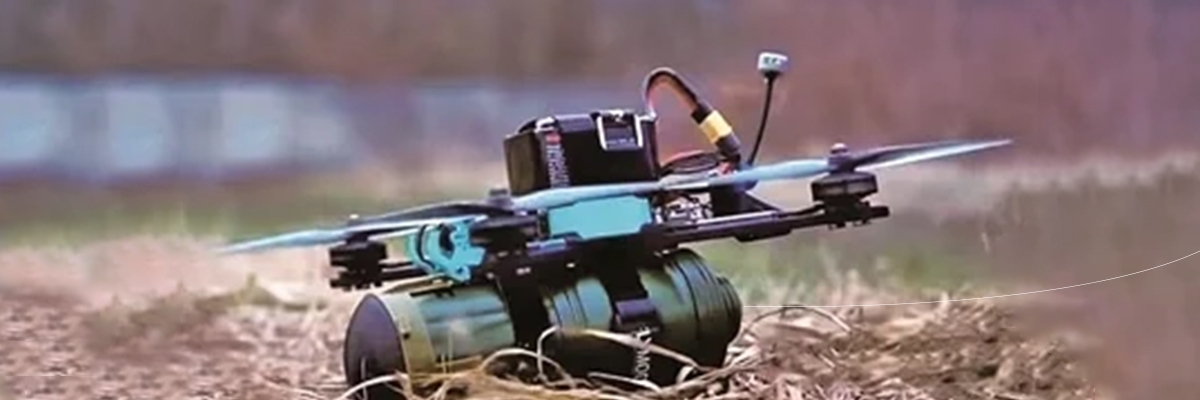 Start to retreat slowly – usually, five meters are sufficient. Proceed to move by centimeters until the tension is relaxed. In most cases, the grip of the branch releases suddenly but gently, slipping free with a faint shudder rather than a snap. After relaxing the cable, take a moment before continuing forward. That short stop guarantees that no twig is left wrapped or pinched.
Two pilots pulled up to a site; each pilot tried a different approach, but only one pilot seemed to have the right sort of phrase. The colleague’s 25-year-old cable ripped apart in the snap of a finger, caused really by the pilot’s slight panic, for he came to full throttle. When the partners were coasting in, his was the 15″ piece designed for a skid. His fiber came off so easily. Consequently, both of their tools saved valuable battery life. Buzzes were also sent quickly to the newbies as nothing could have gone better. The formula awakens the profound truth conveyed in reinstating the now imbalanced momentum, regaining the wake or return, and waiting for the thread to embark on a remarkable course and rediscovery of its own way home.
Pilots who have been trained in this reflex all but admit that calmness becomes the natural reaction to terror. With city buildings close below, these life-threatening acts are rehearsed and drilled every week until the learners are really crying. Throttle cut, slow reverse, do or die! All exercises are aimed at setting to reaction the passport to non-negotiable resolution. If that isn’t achievable, in-the-heat-of-the-moment practice bestows a for-good reflex which cuts into critically important seconds in turn. Unmanned craft, taking no strings attached flight, instead of being lost eventuates in safe touchdown. Faculty and jury in presentations of disaster prevention say repeatedly, “cut float inch.” This is almost a set of emotional maneuvers that are to be done unconsciously, as a chorus of said to unwanted pressure.
Learning this reverse reflex radically changes one’s confidence. The pilots are aware that every problem has a solution if they trust the method. They no longer fear trees since they have learned to deal with them instead of fighting. The moment you acquire that pause is the moment your drone no longer feels vulnerable.
How Checklists Lock In Safe Flights
 How Checklists Lock In Safe Flights
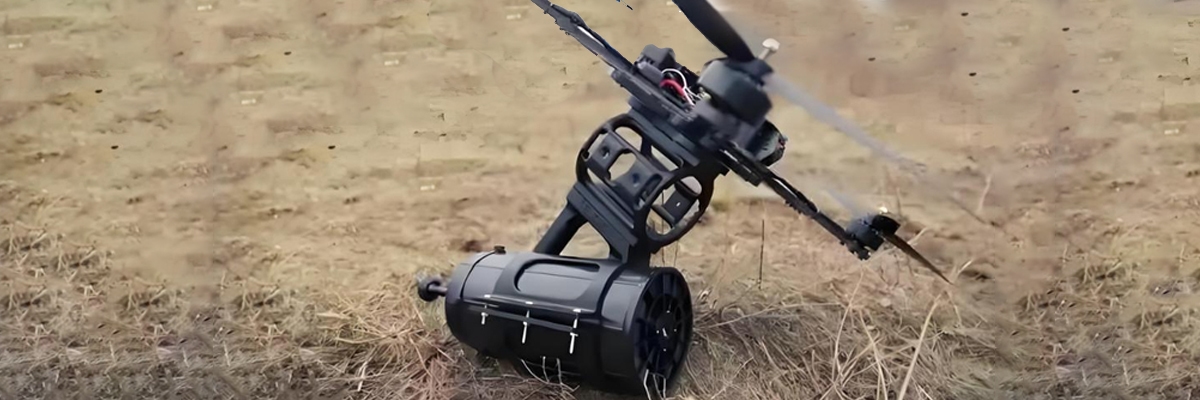
Even though being prepared does not shine like a story of salvation, it is still the factor of every success. Professional fiber-optic drone pilots regard preflight procedures as a kind of insurance. Every careful inspection relieves one mental pressure and physical strain from the wire. When routines take the place of spur-of-the-moment solutions, the danger is reduced to almost nothing.
The very first thing to happen is the line tug—the soda-tab pull which has been practiced a number of times. That little snap among the fingers indicates the level for the rest of the day. Next, picture the path. Mark the spot where you will ascend above the tree line and then vary your choice according to the distances between the trees or the darkness of the canopy. Flying earlier with wide arcs allows the line to settle into its natural curve. The pilot who is aware of his ascent will not be caught off guard when the turbulence comes up.
The moment the aircraft is in the air, the pilot attitude changes to the back and the little camera tilt every thirty seconds proves the fiber’s path. Stable, smooth, and bright shine means good, and irregular movement or light signals pull, to some extent. Instead, go for a gentle, pitch, throttle, or path adjustment rather than a strong reaction. A quiet, small correction at the moment of the first soft pull will keep the pull over the entire time of the strong pull. One step of the habit is to think of the pre-imagined results – mentally going through the hover release or reverse motion before the flight so that doing it feels already familiar if necessary during the flight.
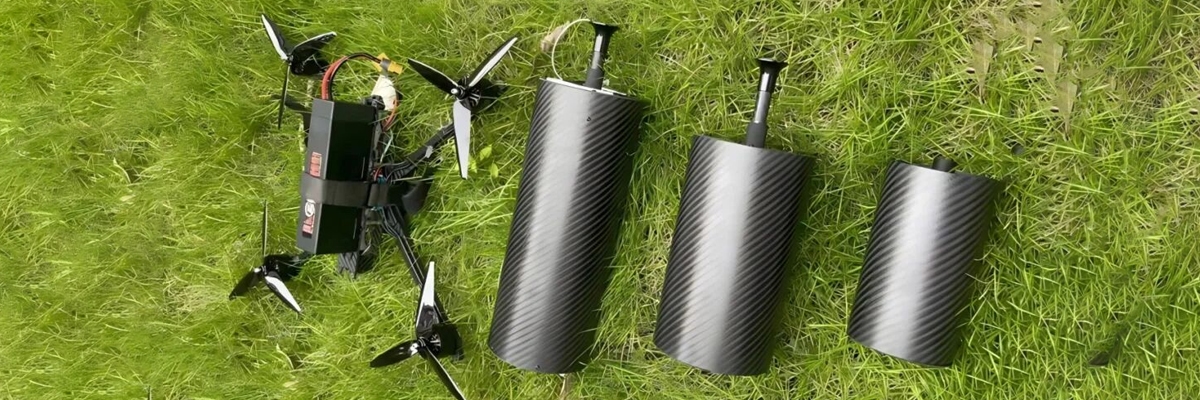 Only those who do not understand their meaning will hear these steps as repetitive. They, together, create a mentality of constant silent control. A carefully planned schedule offers a background even when there are interruptions caused by branches, wind, or uneven ground. Every pilot who strictly adheres to their checklist minimizes the danger from instinctual panic to rationally composed reaction. In aviation tasks ranging from electricity line inspection to environmental surveillance, groups with organized preparation have often reported practically no incidents during their operations totaling hundreds of times.
And the system is not expected to act like a machine. The real preflight ritual creates confidence among the pilot, the aircraft, and the surrounding environment. The first act of getting to know each other is the checking of the tension; visualizing climbs is drawing maps through the canopy of trees for the unseen routes. With the passage of time, the routine goes from being a rule to a rhythm—your fiber-optic drone reacts just like your breathing. When safety gets integrated into the body’s reflexes, liberty comes next.
Summary
The smooth glides and calm reverses turn the obstacles into easy handling with steadiness of tension. Geometry for lift, touch for pressure, stillness for control—that’s each lesson adding another layer of mastery. A fiber-optic drone doesn’t resist its tether but rather flies by respecting it. It’s in that understanding where the forest is no longer a hazard but rather a part of the journey. Share the wisdom, perfect the reflex, and the fleet gets stronger with each clear run over the trees.
Reference Sources
- Fiber Optic Drones: Posing a Significant C-UAS Challenge:Army article on fiber optic drone challenges, including cable snags in forests and piloting tactics.
The Fibre Optic FPV: Guide detailing fiber optic FPV drone operations, snag risks on trees, and flight precautions.
Unjammable Fiber-Optic Drones Covering Ukrainian Forests: Report on fiber optic cables tangling in trees during Ukraine battlefield drone flights.
How to Prevent Your Drone From Crashing Into Trees: Practical tips for drone tree avoidance, including climbs, speed control, and emergency handling.
Avoiding Terrain and Obstacle Collisions: UK CAA PDF on drone collision avoidance with trees and obstacles during flight.
Drone Fiber Optic Cable: Backbone of Modern Warfare: Overview of fiber optic drone cables in challenging terrains like forests.